
NFL
“Benched, Helmet Off & Eyes Down” – Shedeur Sanders Faces Harsh Reality as 49ers Crush Browns 26–8


“Benched, Helmet Off & Eyes Down: Shedeur Sanders Faces Harsh Reality as 49ers Crush Browns 26–8”
A Day to Forget — Sanders Frozen on the Sideline
In what was supposed to be a bounce-back game for the Browns, Shedeur Sanders found himself beginning to question everything. After a shaky second start, the 49ers secured a commanding 26–8 win — but while the team celebrated, Sanders sat alone on the sideline, helmet off, eyes cast down, replaying the mistakes that cost his team dearly.
It wasn’t just the loss that shook him — it was the realization that despite some early promise, the game’s highlights couldn’t erase the missteps.
What Went Wrong — Mistakes, Pressure & Offensive Collapse
- Statistically, Cleveland matched the 49ers on yards, total plays, and even pace of play — but turnovers, special-teams blunders, and key failures under pressure doomed their chances. (Last Word On Sports)
- Sanders completed 16 of 25 passes for 149 yards and a touchdown — a modest stat line. But under heavy pressure (49ers posted a ~36.7% pressure rate), Sanders’s longer releases and shaky timing made him vulnerable. (Marca)
- Despite some flashes — including a 34-yard touchdown pass — the Browns’ offense became stagnant. After halftime, they failed to score again. On a final drive, a sack on 4th-and-16 sealed the defeat. (Yahoo Sports)
The result was a full-team collapse in execution: dropped passes, failed snaps, torn timing, and defensive pressure turning potential drives into dead ends.
The Bench & Silent Introspection
After the game ended and the 49ers began celebrating, cameras caught Sanders sitting alone — helmet off, head down, shoulders slumped. Teammates had long since filed off the field; the stadium was emptying. The solitude captured the stark contrast: 49ers jubilation vs. Browns resignation.
Many see this moment as symbolic — not just of one bad day, but of a deeper reckoning: a young QB wrestling with pressure, high expectations, and the weight of a tough NFL transition.
What This Means for Sanders — And the Browns
This game exposed some real questions:
- Can Sanders handle prolonged defensive pressure and zone-heavy schemes that force quick reads?
- Does he have the mental resilience to bounce back after a public failure, or will the criticism start to erode confidence?
- Can the Browns shore up offensive-line play and special-teams execution to give him the support he badly needs?
Head coach and teammates say they’re committed to supporting him. And despite the loss, the staff has kept faith — naming him the starter for the next game. (NFL.com)
But make no mistake: the margin for error is shrinking. Sanders’ next few starts may define whether he becomes a long-term answer — or another cautionary tale of a hyped rookie overwhelmed by NFL reality.
Final Thoughts
Football is a game of highs and lows — and for Shedeur Sanders, Sunday’s loss was a hard lesson in how thin the line can be between triumph and turmoil. The 49ers got their win, but for the Browns QB, the quiet moments on the sideline — helmet off, eyes down — may speak louder than any stat sheet.
NBA
Krop in mijn keel: Vriendin van Mathieu van der Poel Geëmotioneerd na Hartverscheurend Nieuws uit Wielerwereld
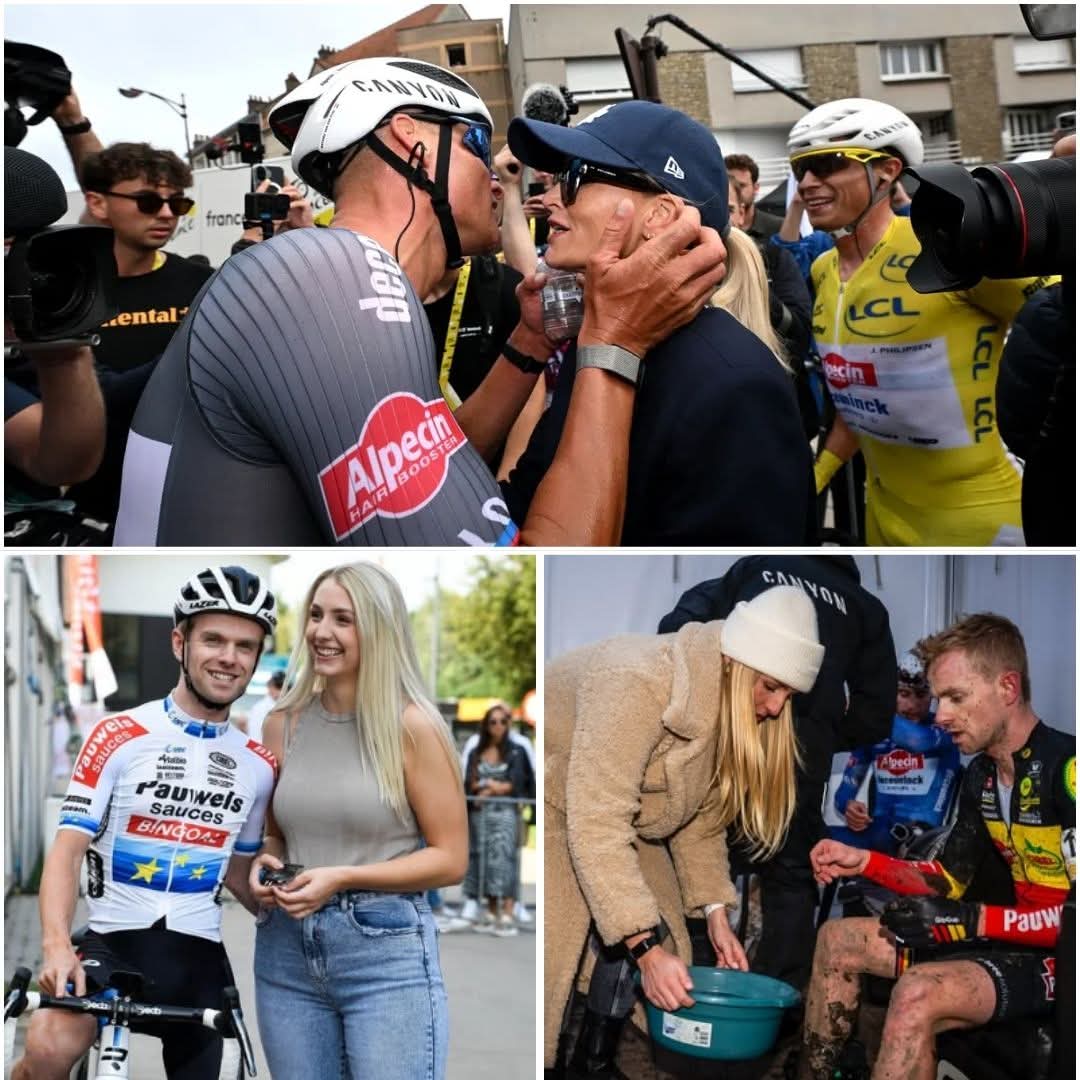
“‘Krop in mijn keel’: Vriendin van Mathieu van der Poel Geëmotioneerd na Hartverscheurend Nieuws uit Wielerwereld”
De Belgische wielerwereld kreeg recent te maken met slecht nieuws toen topveldrijder Eli Iserbyt onverwacht moest stoppen met profwielrennen vanwege een medische waarschuwing — iets wat niet alleen zijn eigen carrière kapotmaakte, maar ook diepe indruk maakte op zijn collega’s en hun geliefden.
Onder hen was Roxanne Bertels, de vriendin van Nederlands alleskunner Mathieu van der Poel, die online haar emotie deelde na de dramatische bekendmaking. Haar reactie raakte veel wielerfans, omdat het haar oprechte betrokkenheid bij de sportcommuniteit liet zien.
Een Veldrijder Moet Vroegtijdig Stoppen
Eli Iserbyt, een van de beste Belgische veldrijders van zijn generatie, kreeg van artsen te horen dat het voortzetten van zijn wielercarrière simpelweg te gevaarlijk was vanwege aanhoudende problemen met zijn liesslagader. Na meerdere operaties en maanden van pijnlijke revalidatie besloot hij, hoewel met pijn in het hart, dat hij niet meer veilig op topniveau kon blijven fietsen.
Dat nieuws kwam hard aan bij zijn partner, die via sociale media een openhartige en emotionele reactie deelde.
‘Krop in mijn Keel’ – De Openhartige Woorden van Roxanne
Roxanne Bertels — al jaren aan de zijde van Van der Poel — liet weten dat het nieuws haar diep raakte: “Krop in mijn keel”, schreef ze. Ze bedankte Iserbyt voor zijn warme interacties, zijn positieve houding en de mooie momenten die ze samen als rivalen in de wielerwereld hebben gedeeld.
Haar woorden laten zien hoe hecht de wielergemeenschap is — zelfs tussen renners en partners van verschillende teams. Het is een herinnering dat het wielrennen niet alleen wedstrijden zijn, maar ook menselijke verhalen van kameraadschap, respect en kwetsbaarheid.
Ook Van der Poel Getroffen door het Nieuws
Hoewel Mathieu van der Poel normaal gesproken in het middelpunt van sportprestaties staat, werd ook hij geraakt door het nieuws over Iserbyt. In een tijd waarin rivaliteit vaak de boventoon voert, kwam er plotseling een moment van oprechte empathie en sportieve solidariteit.
Het toonde aan dat zelfs kampioenen als Van der Poel niet ongevoelig zijn voor de moeilijkheden van collega’s — en dat emoties in het wielrennen net zo intens kunnen zijn als de wedstrijden zelf.
Waarom Dit Moment Zo Belangrijk Is
💬 Het laat de menselijke kant van sport zien — niet alleen de prestaties, maar ook de emoties.
💬 Het toont respect tussen atleten, zelfs als ze concurreren op het hoogste niveau.
💬 Het verbindt fans, familie en sporters, over grenzen heen.
Dit incident en de reacties erop herinneren ons eraan dat achter iedere renner een mens zit die lacht, huilt, droomt en voelt — precies zoals wij allemaal.
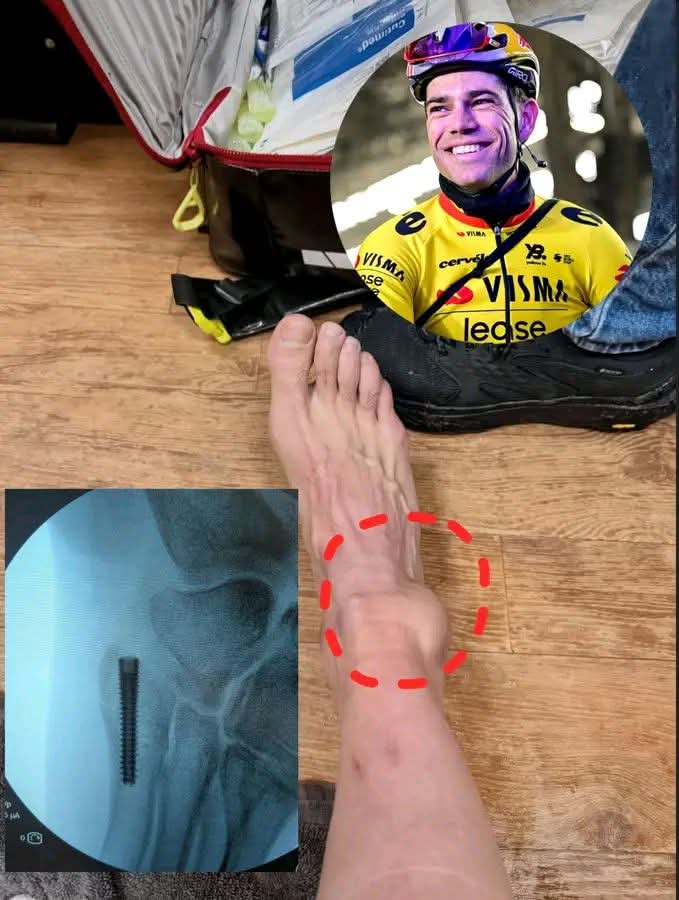
“Ontroerend en Openhartig: Wout van Aert Raakt Wielerwereld met Zijn Meest Persoonlijke Bericht”
Wielerfans wereldwijd werden geraakt door een recent, openhartig bericht van Wout van Aert waarin hij reflecteert op wat hij zelf beschouwt als de moeilijkste periode uit zijn carrière. In een tijd waarin zijn sportieve prestaties even niet voorop stonden, koos de Belgische topper ervoor om zijn gevoelens en worstelingen eerlijk te delen — en dat raakte diep in de wielergemeenschap.
Een Strijd Buiten de Koers
Na een zware val tijdens een veldrit eind 2025 liep Van Aert een gebroken enkel op, wat leidde tot een operatie en een periode van intensieve revalidatie. De blessure zorgde ervoor dat hij zijn seizoen vroegtijdig moest beëindigen en uren moest doorbrengen zonder fiets, wat voor een topsporter mentaal behoorlijk zwaar kan zijn.
In wat velen een eerlijk en kwetsbaar moment noemden, gaf Van Aert toe dat deze periode hem meer had geraakt dan eerdere tegenslagen. Hij sprak niet alleen over fysieke pijn, maar vooral over de mentale uitdaging die kwam kijken bij het verwerken van frustratie, onzekerheid en tijd weg van wedstrijden.
Van Aert’s Oprechte Boodschap
In zijn bericht benadrukte Van Aert hoe moeilijk het vaak is om als atleet minder zichtbaar te zijn, terwijl de verwachtingen van fans en media onverminderd hoog blijven. Hij deelde dat hij momenten had waarop hij zich onzeker voelde over zijn toekomst en prestaties — emoties die weinig topsporters openlijk delen. (WielerFlits)
Wat veel mensen raakt is zijn eerlijkheid: in plaats van een perfecte façade te tonen, liet Van Aert zien dat zelfs elite-renners worstelen met druk, tegenslag, en innerlijke strijd. Voor veel supporters was dit een krachtige herinnering dat sporters óók mensen zijn.
Reactie van Fans en Wielerwereld
Het bericht ging als een lopend vuurtje rond op sociale media. Tal van fans reageerden met steun, waardering en herkenning. Veel volgers prezen Van Aert niet alleen als wielrenner, maar vooral om zijn menselijke kant en eerlijkheid.
Sommigen benadrukten dat zo’n persoonlijke boodschap meer steun gaf dan welke koersuitslag dan ook — omdat het inging op wat achter de prestaties gebeurt.
Een Veerkrachtige Terugkeer
Ondanks de moeilijke periode toont Van Aert ook hoop en vastberadenheid om terug te komen. Negen dagen na zijn operatie werd hij alweer gezien op de fiets tijdens rustige trainingsrondes, een teken dat zijn herstel goed verloopt en dat hij zijn blik op het voorjaar en het volgende seizoen blijft richten.
Deze combinatie van eerlijkheid en vastberadenheid onderschrijft waarom Van Aert geliefd is in de wielerwereld: niet alleen om zijn prestaties, maar om zijn karakter, doorzettingsvermogen en relativeringsvermogen.
Waarom Dit Bericht Zo Belangrijk Was
In een sportwereld die vaak draait om resultaten, overwinningen en statistieken, herinnerde Van Aert’s open bericht iedereen eraan dat het proces, de strijd en de menselijke kant minstens zo waardevol zijn als podiumplaatsen.
Zijn woorden hebben niet alleen fans geïnspireerd — ze hebben ook bijgedragen aan een bredere erkenning van wat atleten mentaal moeten doorstaan wanneer “het leven even niet gaat zoals gepland.”
NBA
Na Teleurstelling in Exact Cross Mountain: Wout van Aert Maakt Onverwachte Keuze die Fans Versteld Laat Staan
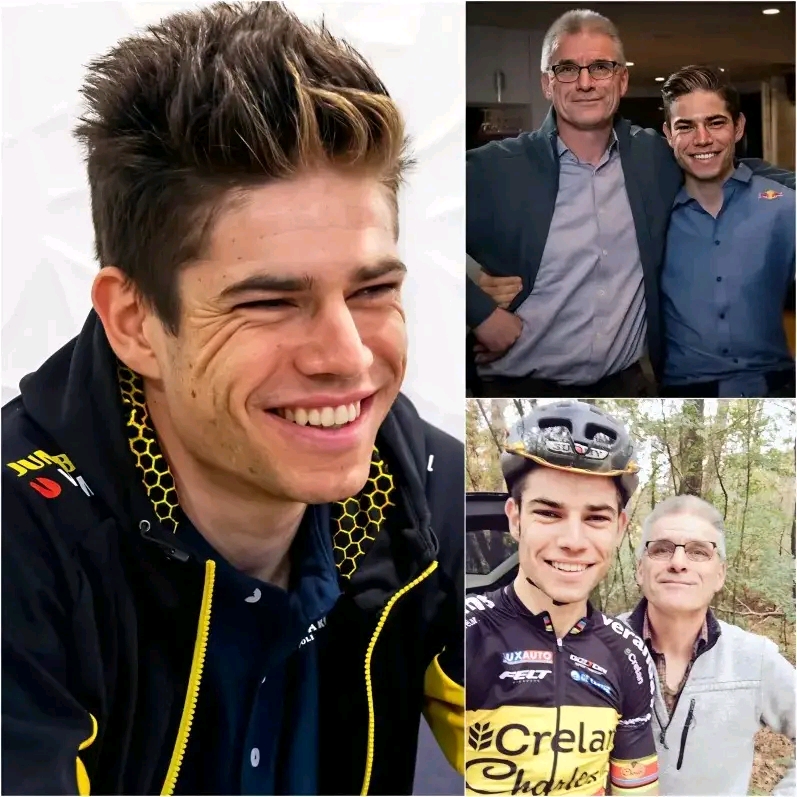
“Na Teleurstelling in Exact Cross Mountain: Wout van Aert Maakt Onverwachte Keuze die Fans Versteld Laat Staan!”
Na zijn teleurstellende performance tijdens de Exact Cross Mountain, heeft wielericoon Wout van Aert besloten tot een opvallende en onverwachte stap — én het zorgt voor flink wat gespreksstof onder fans én experts.
Waar men verwachtte dat Van Aert snel zou focussen op herstel en training, maakte hij ineens bekend dat hij recht op een verrassende uitdaging afstapt. Die keuze heeft niet alleen zijn supporters verrast, maar zet ook een nieuwe toon voor zijn seizoen.
Een Domper in de Cross — En Directe Reactie
De Exact Cross Mountain was bedoeld als een moment van kracht en ritme opbouwen voor de kersverse seizoenstart. Helaas liep het anders dan gehoopt. Van Aert’s prestatie daar viel tegen, en hij leek zichtbaar niet op zijn top te zijn — iets wat bij fans vragen opriep over zijn conditie en vorm.
Toch reageerde Van Aert niet met frustratie of excuses. In plaats daarvan koos hij voor iets geheel anders.
De Onverwachte Wending: Wat Heeft Van Aert Besloten?
In plaats van gewoon terug te keren naar de training of zich volledig te richten op zijn revalidatie, heeft Van Aert aangekondigd dat hij een deel van zijn vermogen gaat investeren in jonge wielrenners en sportinitiatieven — een keuze die velen niet zagen aankomen.
In zijn verklaring gaf hij aan dat hij het wielrennen wil helpen versterken aan de basis — door jonge talenten kansen te geven die hij zelf ook kreeg én door ervaring en middelen te delen met de volgende generatie.
Dit besluit toont een kant van Van Aert die verder gaat dan winnen of verliezen in één specifieke wedstrijd: hij wil iets nalaten dat blijft groeien, zelfs als zijn eigen resultaten op een moment wat tegenzitten.
Reacties van Fans Collectief en Sportexperts
De reacties liepen uiteen — maar waren allesbehalve stil:
❤️ “Wout laat zien wat echte klasse is — niet alleen op de fiets, maar ook erbuiten.”
🔥 “Dit spreekt meer dan resultaten alleen. Hij heeft een visie voor de sport.”
🤔 “Is dit een voorbode van een grotere rol binnen het wielrennen?”
Veel fans noemden het inspirerend dat een topatleet niet alleen met zichzelf bezig is, maar ook met de toekomst van anderen in de sport.
Wat Dit betekent voor Zijn Carrière
Hoewel dit besluit voortkomt uit een moment van teleurstelling, kan het op lange termijn veel betekenen voor Van Aert’s nalatenschap:
🚴 Verhoogt zijn impact op de sportwereld
🧠 Toont leiderschap buiten de wielerwedstrijden
🌟 Versterkt zijn band met jonge renners en fans
En terwijl zijn eigen resultaten in de cross misschien niet perfect zijn geweest, bewijst deze stap dat grootse atleten juist uit moeilijke periodes opstaan met grootse ideeën.
Een Menselijke, Strategische Wout van Aert
Deze onverwachte keuze laat zien dat Van Aert niet alleen een indrukwekkende renner is, maar ook een denker met visie — iemand die verder kijkt dan één seizoen, één race, of één prestatie.
In een sport waar prestaties vaak alles lijken te bepalen, laat hij zien dat invloed en nalatenschap minstens zo waardevol zijn.
En dat is misschien wel de meest indrukwekkende overwinning van allemaal.

Rangers Youngster Sets Celtic Fans Alight with Bold Celebration in Epic Kilmarnock Moment
Rangers Youngster Sets Celtic Fans Alight with Bold Celebration in Epic Kilmarnock Moment! In a Scottish Premiership clash that had...


End of the Road at Parkhead? Andy Walker Drops Brutal Verdict on Celtic’s Japanese Duo
“Are Celtic’s Japanese Stars Past Their Best? Andy Walker Predicts End of the Road for Maeda & Hatate” Recent pundit...

Adrie van der Poel deelt verontrustend bericht over Mathieu
Wout van Aert kende een dramatische afloop aan de cross in Mol, maar ook Mathieu van der Poel kwam niet...
Manchester United vs Chelsea: Match Preview, Head-to-Head, Injury Update, and Prediction Tips
Manchester United vs Chelsea: Get the detailed Preview, Head-to-Head, Team news and Prediction Tips here as the Red Devils welcome...


Talking Soccer Florida : Best Reviews and all you need to know
Talking Soccer Florida is a discussion platform where users are free to signup to become members and contribute meaningfully to...

Răsturnare de situație: Kennedy Boateng rupe tăcerea despre viitorul său pe fondul incertitudinilor privind transferul
Răsturnare de situație: Kennedy Boateng rupe tăcerea despre viitorul său pe fondul incertitudinilor privind transferul Într-o întorsătură surprinzătoare a situației,...

Why This Premier League Star Being Omitted From the FA Cup Could Unlock a Big Celtic Move
Why This Premier League Star Being Omitted From the FA Cup Could Unlock a Big Celtic Move Recent developments in...
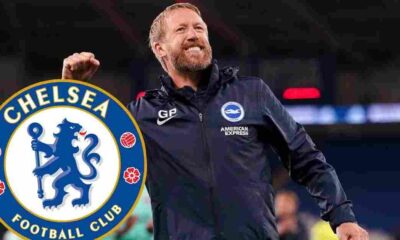

BREAKING NEWS: Chelsea FC named Graham Potter as new Head Coach
Graham Potter has been named the head coach of Chelsea with a five-year deal. After taking over during the summer,...
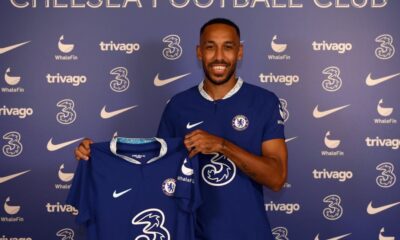

OFFICIAL : Chelsea disclosed Aubameyang Jersey number
Chelsea has officially completed the signing of former Arsenal forward Pierre-Emerick Aubameyang on the final day of the summer transfer...

Eric Bailly Transfer News: Marseille sign Manchester United defender on loan
Information reaching concerning Eric Bailly transfer, the defender has completed a loan move to Olympique Marseille with the possibility of...
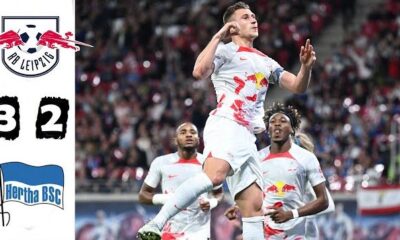

WATCH NOW: RB Leipzig 3-2 Hertha Berlin Highlights
Hertha Berlin came from 3-0 down and almost equalized all three goals. Watch as it all played out below: RB...
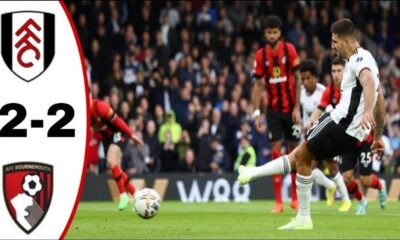

WATCH NOW: Fulham 2-2 Bournemouth Highlights
Fulham came twice from behind to ensure the points are shared between both sides. Watch as it happened below: Fulham...
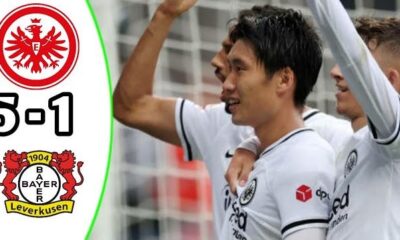

WATCH NOW: Eintracht Frankfurt 5-1 Bayern Leverkusen Highlights
Bayern Leverkusen suffered a humiliating 5-1 defeat against Eintracht Frankfurt on Saturday afternoon. Watch the highlights below: Eintracht Frankfurt vs...
-
 English Premier League4 years ago
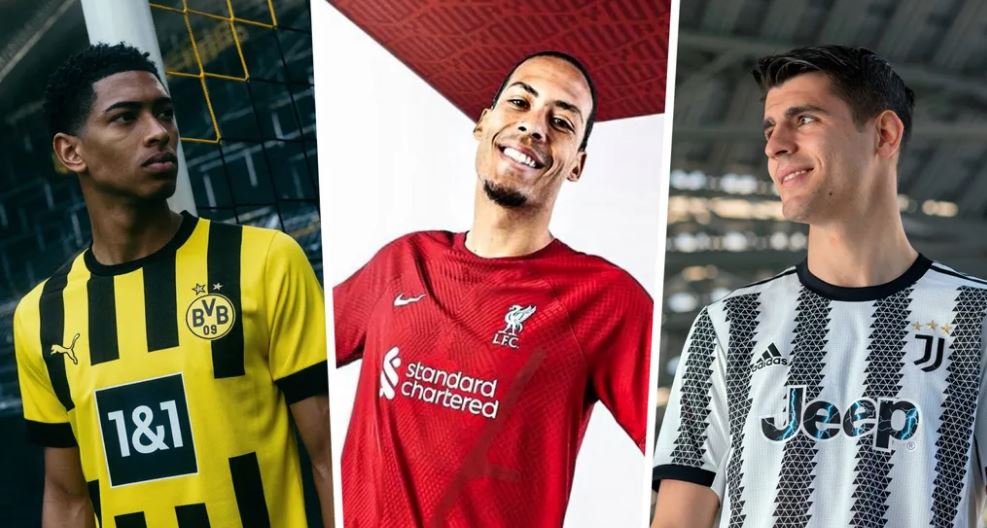
New Football Kits 2022/23 Revealed: Check Top Teams Jerseys
-
 FACTS4 years ago
Top 10 Most Expensive Trophies in Football 2022
-
 Other Sports4 years ago
Download Stream India APK Latest Version v1.3.2 for Best Live Streaming 2022
-
 Champions League4 years ago
Ballon d’Or 2022 Power Rankings: Benzema Set To Win First Ballon d’Or Award
-
 Champions League4 years ago
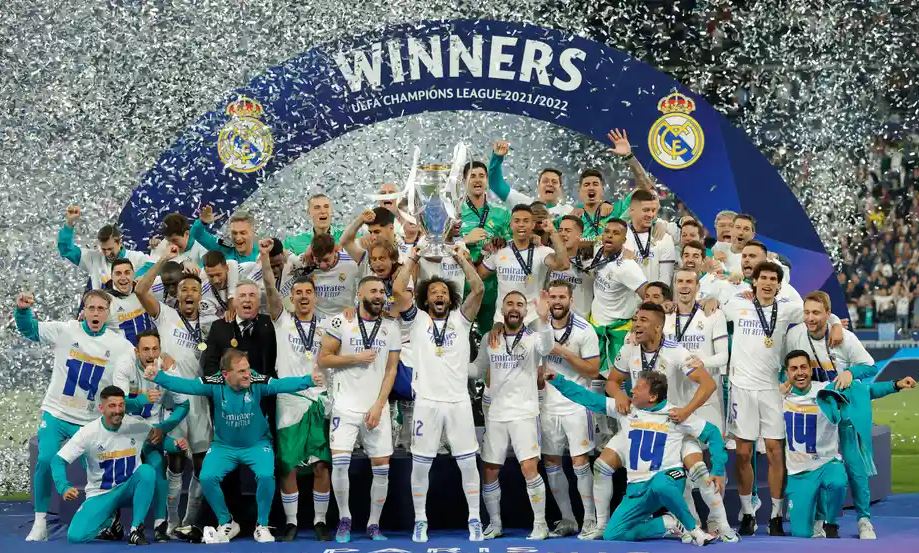
Real Madrid Emerge as Champions League winner 2022
-
 FACTS4 years ago
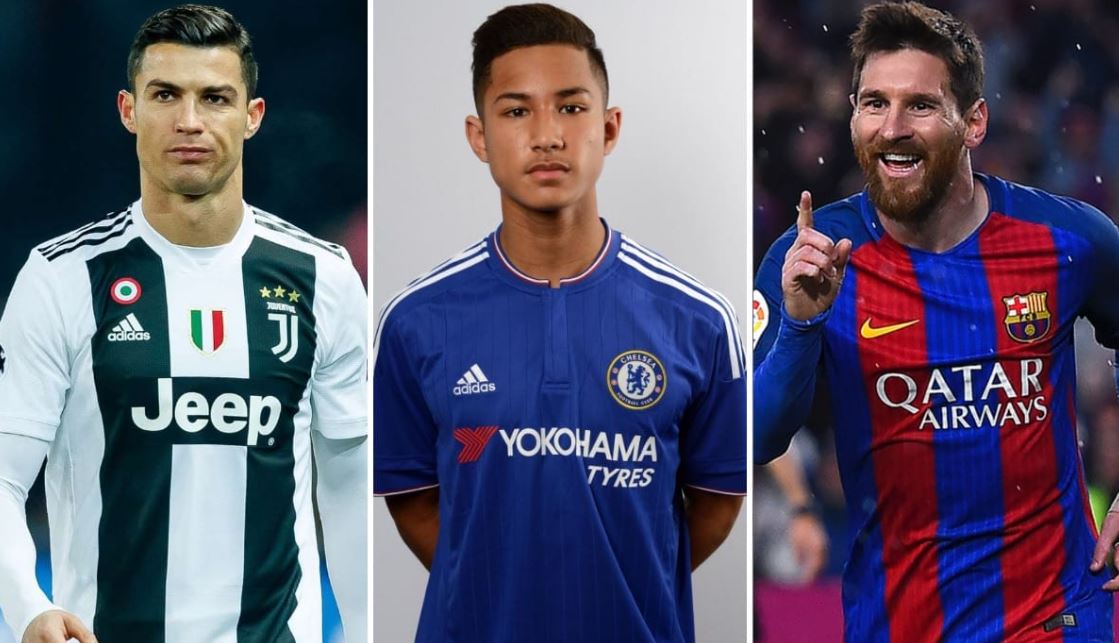
Top 20 richest football player in the world 2022
-
 Transfer News4 years ago
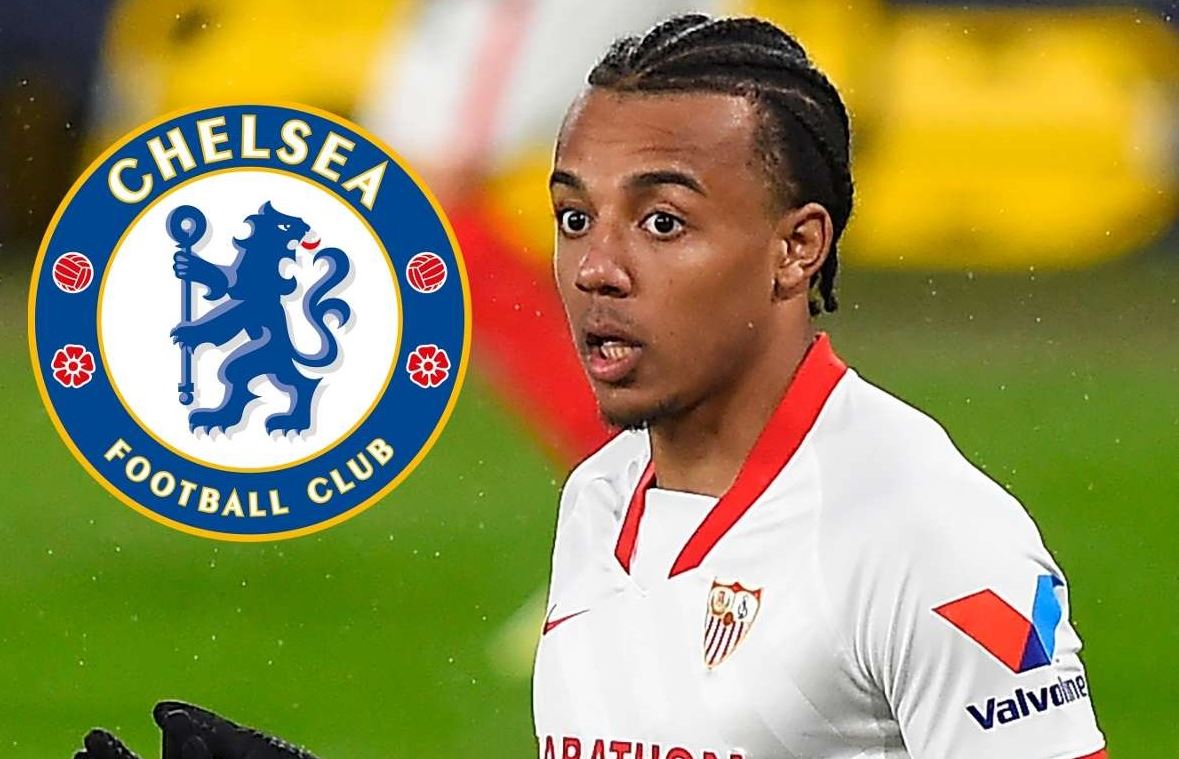
Chelsea transfer news and rumours in the Summer transfer window 2022
-

 Champions League4 years ago
UEFA Champions League Group Stage Draw LIVE 2022/23